Page not found
You may have typed the URL incorrectly.
Check to make sure you’ve got the spelling, capitalization, etc. exactly right.
What we do.
We connect 100,000+ qualified prospects looking for financial advice, lending, protection, debt help and claims to advisors and brokers every year.
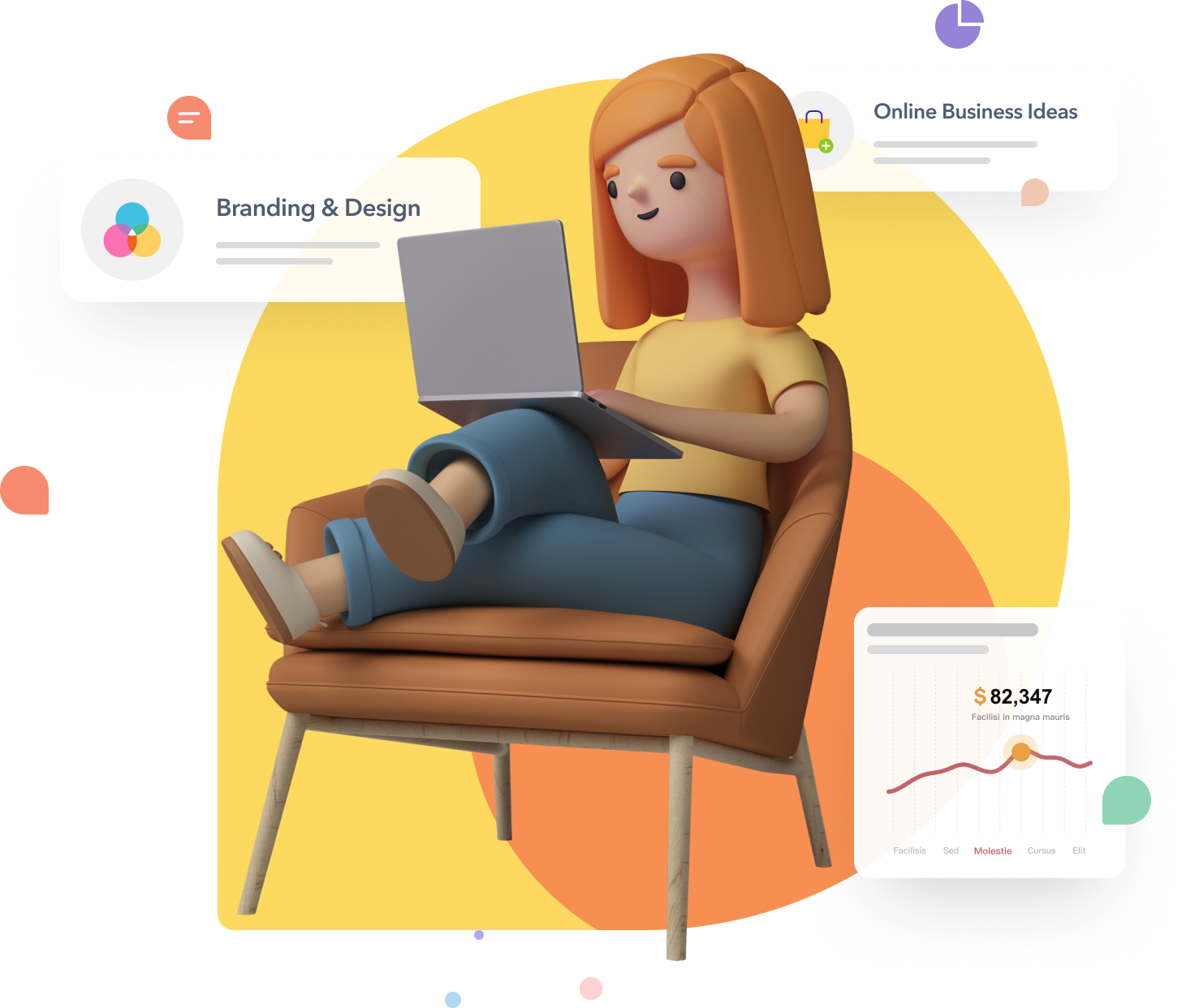
What We Do
Your proven customer acquisition system that increases conversion rates at every step of the customer journey so you can enjoy record breaking sales.
Effective Lead Generation
Strategically focused on high-intent leads generation tactics from Google, Bing, & YouTube.
Database Reactivation
Turn your old data into fresh appointments and sales, utilising our sales android that never rests.
Appointment Setting
Transform your contact rate and campaign profitability with our appointment setting sales android.

Get a good impression your brand on them.
We don't launch rockets. We just generate leads from Google, Bing and YouTube, connecting them with your team in real time. And you know what, we're bloody good at it.
Create your amazing feature.
Add your ideas here.
Give more your amazing feature or ides.
Costumer review.
See why customers love GHL Elite.
"If you're looking for an all-in-one app to help you increase sales and save time on follow-ups, I would highly recommend NexLevel CRM."
– Rachel Johnson

"Our team has been using NexLevel for a few months and we are very happy with the results. We've closed more deals than ever before and our sales team loves it."
– Mike Nord

"You never know what you're missing until you try NexLevel. We've been using it for 9 months and it has helped us double our pipeline and close more deals."
– Heather Mathewson
"Since using NexLevel over a year ago, I’ve generated $300k+ in new revenue and saved more than 20 hours per week on administrative tasks like reminders and reschedules."
– Ranjana Muthaliar
Blog
Your proven customer acquisition system that increases conversion rates at every step of the customer journey so you can enjoy record breaking sales.
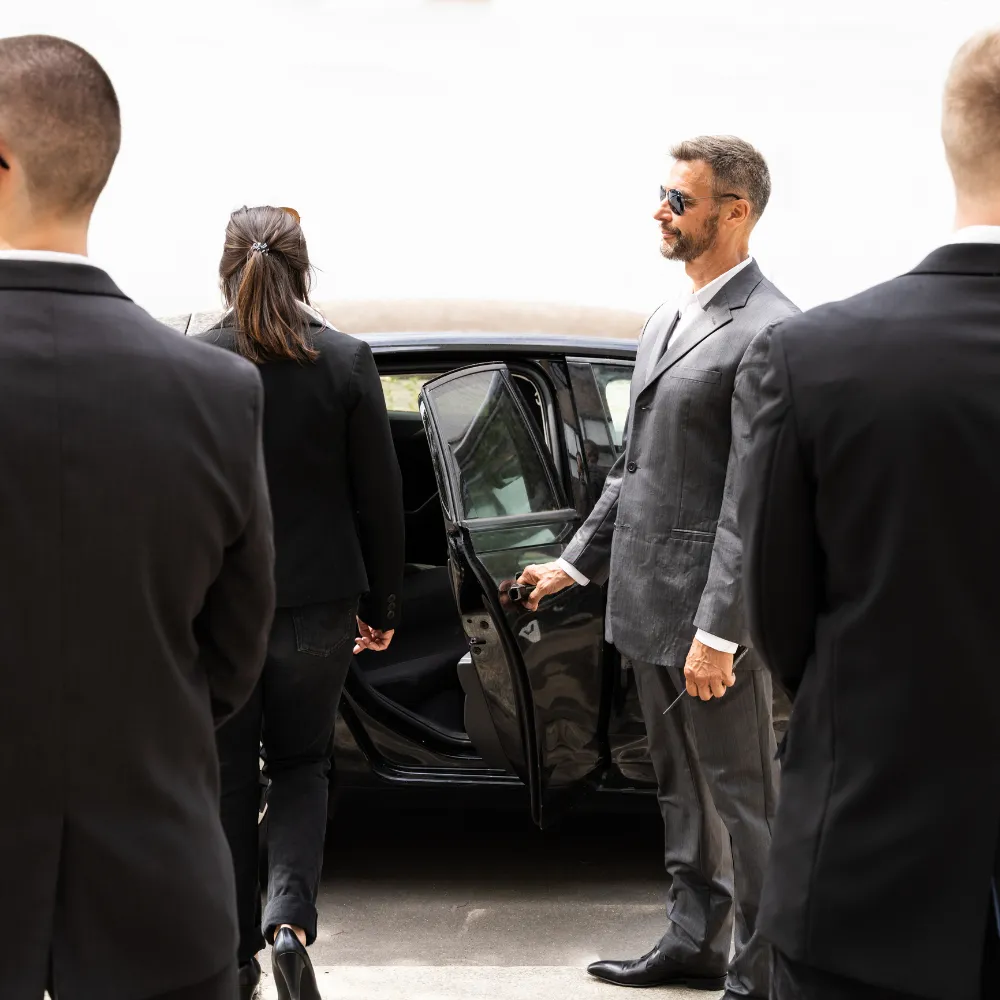
What Do Bodyguards Actually Do?
For many people, “security” is one single thing. If you’re not in the industry, your main point of reference might be the guard at a shopping mall, so it’s completely understandable that the different branches of professional security get blurred together.
Personal protection is a great example. Even within this field, there are distinct areas that require very different skills, experience, and operating standards.
Below are three major segments of personal protection that are clearly separated in practice.
Hostile Environment Protection

This is the area where former military and specialist backgrounds are often preferred—because the operating conditions and the demands of the role can be closer to what those professionals have already experienced.
Competence here is built on strong fundamentals: operating discipline, high-pressure decision-making, and experience gained in demanding environments (often through deployments or missions). But it’s important to understand something:
Military experience alone doesn’t automatically transfer into the private protection industry.
To work professionally in this segment, people typically need additional training, certifications, and licenses relevant to the private sector and the jurisdictions involved.
Another key difference is that the private environment often requires a broader skill set. In military or specialist police settings, roles are frequently more specialized and supported by significant infrastructure. In private protection, the team may have far less external support. When something goes wrong, the protective detail must be capable of managing it - quickly, effectively, and responsibly -without relying on heavy institutional backup.
Celebrity Protection
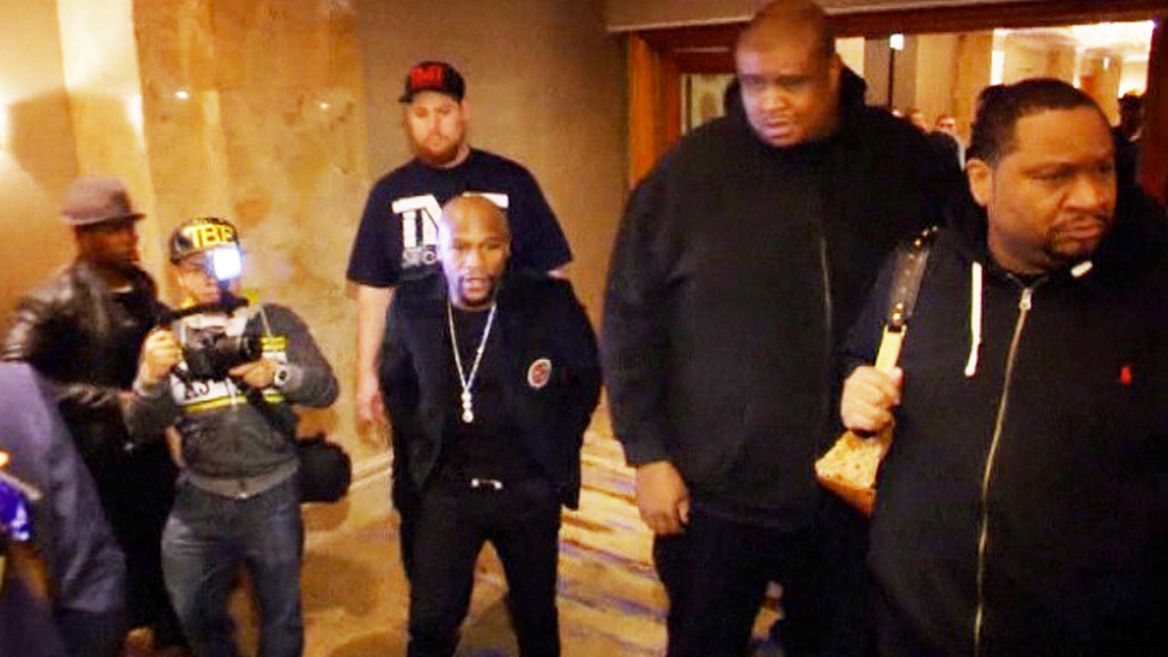
This is the style of protection most people recognize from TV: the “Hollywood bodyguard” walking beside a celebrity. It’s visible, dramatic, and highly public, so it often shapes public opinion about the entire profession.
The reality is that this segment can be distorted by image. In some cases, physical size becomes the selling point, and the protection role starts to look more like a show element than a professional service.
That said, strong professionals absolutely exist in celebrity protection, and when the job is done correctly, physical presence can be useful, especially when managing crowds, maintaining distance, and creating a safe path during movement. But size without skill doesn’t create security. In fact, it can create new problems.
Executive Protection

This is the part of the profession that is often least noticeable to outsiders, because when it’s done well, it doesn’t draw attention.
And yet, this is typically the segment that demands the broadest range of professional capability.
In executive protection, appearance matters, but often in the opposite way to celebrity protection. Clients are frequently business leaders moving in high-end environments, where fitting in and operating discreetly can be essential. That often means a more business-appropriate look and behavior: calm, measured, and socially intelligent.
Because executive clients travel frequently, executive protection also requires:
cultural awareness and the ability to operate smoothly across environments
familiarity with local regulations and practical constraints
understanding of local factors that can affect security (from venue dynamics to regional norms)
Sometimes the role goes beyond “classic” protection. Depending on the context, the professional may assist with coordination: bookings, scheduling, logistics, and managing the tasks of immediate staff (for example, drivers). At first glance, this can look unrelated to security, but it often supports security.
Why? Because reducing unnecessary movements reduces exposure.
If the protected person doesn’t need to run extra errands or make avoidable stops, they face fewer unknowns, and the overall risk profile improves. Good executive protection is often built on exactly this kind of quiet, practical control.
Executive protection can be armed or unarmed, depending on the assignment and legal framework. If international travel is involved, professional work requires clear awareness of what is lawful, appropriate, and possible in each location.