Page not found
You may have typed the URL incorrectly.
Check to make sure you’ve got the spelling, capitalization, etc. exactly right.
What we do.
We connect 100,000+ qualified prospects looking for financial advice, lending, protection, debt help and claims to advisors and brokers every year.
What We Do
Your proven customer acquisition system that increases conversion rates at every step of the customer journey so you can enjoy record breaking sales.
Effective Lead Generation
Strategically focused on high-intent leads generation tactics from Google, Bing, & YouTube.
Database Reactivation
Turn your old data into fresh appointments and sales, utilising our sales android that never rests.
Appointment Setting
Transform your contact rate and campaign profitability with our appointment setting sales android.
Get a good impression your brand on them.
We don't launch rockets. We just generate leads from Google, Bing and YouTube, connecting them with your team in real time. And you know what, we're bloody good at it.
Create your amazing feature.
Add your ideas here.
Give more your amazing feature or ides.
Costumer review.
See why customers love GHL Elite.
"If you're looking for an all-in-one app to help you increase sales and save time on follow-ups, I would highly recommend NexLevel CRM."
– Rachel Johnson

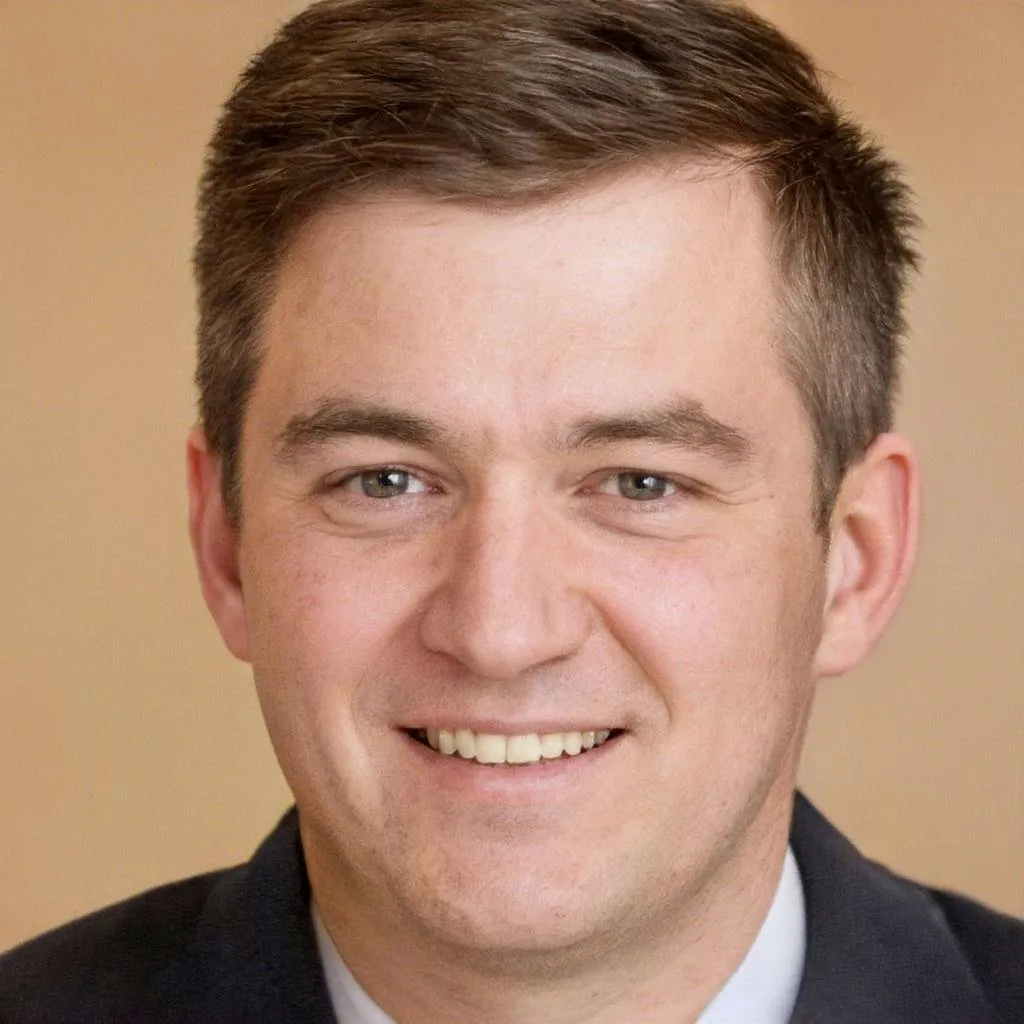
"Our team has been using NexLevel for a few months and we are very happy with the results. We've closed more deals than ever before and our sales team loves it."
– Mike Nord

"You never know what you're missing until you try NexLevel. We've been using it for 9 months and it has helped us double our pipeline and close more deals."
– Heather Mathewson

"Since using NexLevel over a year ago, I’ve generated $300k+ in new revenue and saved more than 20 hours per week on administrative tasks like reminders and reschedules."
– Ranjana Muthaliar
Blog
Your proven customer acquisition system that increases conversion rates at every step of the customer journey so you can enjoy record breaking sales.
Why Would a Trained Martial Artist Need a Bodyguard?
Why Would a Trained Martial Artist Need a Bodyguard?

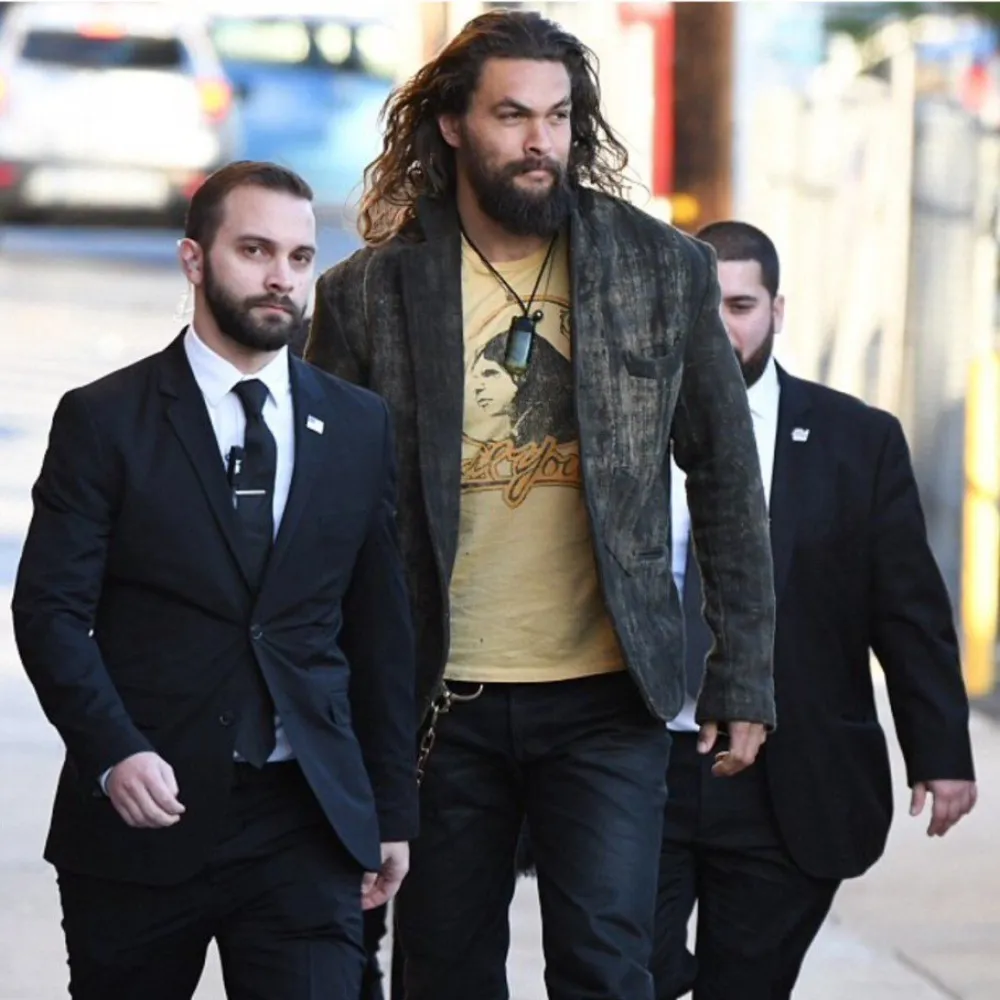
This question comes up all the time when world-famous people appear in public with security, especially when they have a background in combat sports or martial arts. Recently, for example, memes spread about Jason Momoa’s bodyguards, who appear shorter than him. To many outsiders, that creates the impression that protecting a large, physically capable martial artist is pointless.
But as I’ve written before: a good protection professional isn’t paid for their size, they’re paid for their expertise. Yes, in parts of the celebrity world, the “look” of protection can sometimes matter more than professionalism, because it becomes part of show business. Still, you don’t have to be two meters (6 and something feet) tall and 120 kilos (250 or so pounds) of muscle to be a good bodyguard.
At the same time, extreme differences between the protector and the protected person aren’t always ideal either, especially in so-called “low-level” protection work, where one person may be responsible for the client rather than a full team.
Expectations also vary by environment. In business settings, protection often shouldn’t be high profile. In fact, clients may prefer a professional who looks business-appropriate and doesn’t stand out even in exclusive environments. Elsewhere, visible muscle is used as part of deterrence. But appearance itself has very little to do with real competence, and in many cases, the “invisible” protector is far more capable than the demonstrative one.
So back to the real question: why would someone like Jason Momoa - or even Jackie Chan (I dared to used that photo with me and him, because it was published publicly) - need a bodyguard if they can “defend themselves”?
These people are usually high-profile, high-value individuals with massive public attention. They matter financially to the organizations they work for, whether they’re professional athletes fighting multi-million-dollar matches or actors working on productions worth hundreds of millions. They have a job to do: filming, performing, competing, appearing at events.
Even if they could physically defend themselves, they almost certainly don’t want their attention consumed by trying to identify, inside a crowd, who might be a threat, whether it’s an attacker or an overexcited fan. And neither they, nor their management, can afford the risk that a preventable injury derails a contracted film, match, concert, or event, causing major financial loss for everyone involved.
There’s another important point: being a famous fighter or athlete doesn’t mean you can protect yourself in every real-world situation. A ring is a controlled environment: rules, timing, a similar opponent, short rounds. Real life is different, often messy, unpredictable, and sometimes involving weapons. And the primary job of a protection professional is not to “fight in an alley on your behalf,” but to prevent the situation from happening in the first place.
Effective prevention requires a professionally prepared team: identifying threats, designing preventive measures, and executing them. And even with strong preparation, unexpected events can still occur: spontaneous attacks, technical accidents, even natural disasters. A trained protection professional must be able to react immediately: stop the threat if necessary, move the client to safety, provide first aid if needed, and coordinate with authorities and emergency services.
What kinds of dangers can threaten a public figure?
It depends on the person’s lifestyle, activity, business relationships, and many other factors. For well-known stars, the most common risk is not a planned, organized attack, but the unpredictable behavior of crowds - especially extreme fans within them - creating situations that can escalate into real danger.
Imagine a celebrity arriving at an event where hundreds or even thousands of people are waiting at the entrance, all wanting a photo, a handshake, or a selfie. Everyone wants to be first. Nobody wants to miss out. The celebrity can’t simply avoid the crowd, and if they tried to satisfy everyone, it would take hours. Worse, crowd psychology can create a situation that threatens the person’s safety or even their life. No matter how tough someone is, this is not something they can - or should - handle alone on a daily basis.
For context, here are some well-known historical cases where “admiration” escalated until the target became a victim:
John Lennon was shot at close range with five bullets by Mark David Chapman on December 8, 1980.
Dimebag Darrell (guitarist of Damageplan and formerly Pantera) was shot on stage by Nathan Gale on December 8, 2004.
Andrés Escobar, Colombian footballer, was killed by gunfire after a confrontation with fans following a match on July 1, 1994.
Christina Grimmie, a 22-year-old singer, was shot during an autograph signing on June 10, 2016 by a fan, Kevin Loibl, who had brought a weapon into the venue; he later took his own life.
The list could go on almost endlessly. The key point is that methods and motives vary widely, and often lack logic or predictability, which challenges even trained professionals. Being able to fight is nowhere near enough to handle these realities.